Eco anxiety is becoming increasingly widespread as people confront the accelerating impacts of climate change. This emotional response, known as eco anxiety, describes the worry, stress, and uncertainty many individuals feel when facing environmental threats and constant climate-related news. In this article, we break down what eco anxiety is, why it’s rising, and practical strategies to help you cope in a healthy and balanced way.
What Is Eco Anxiety?
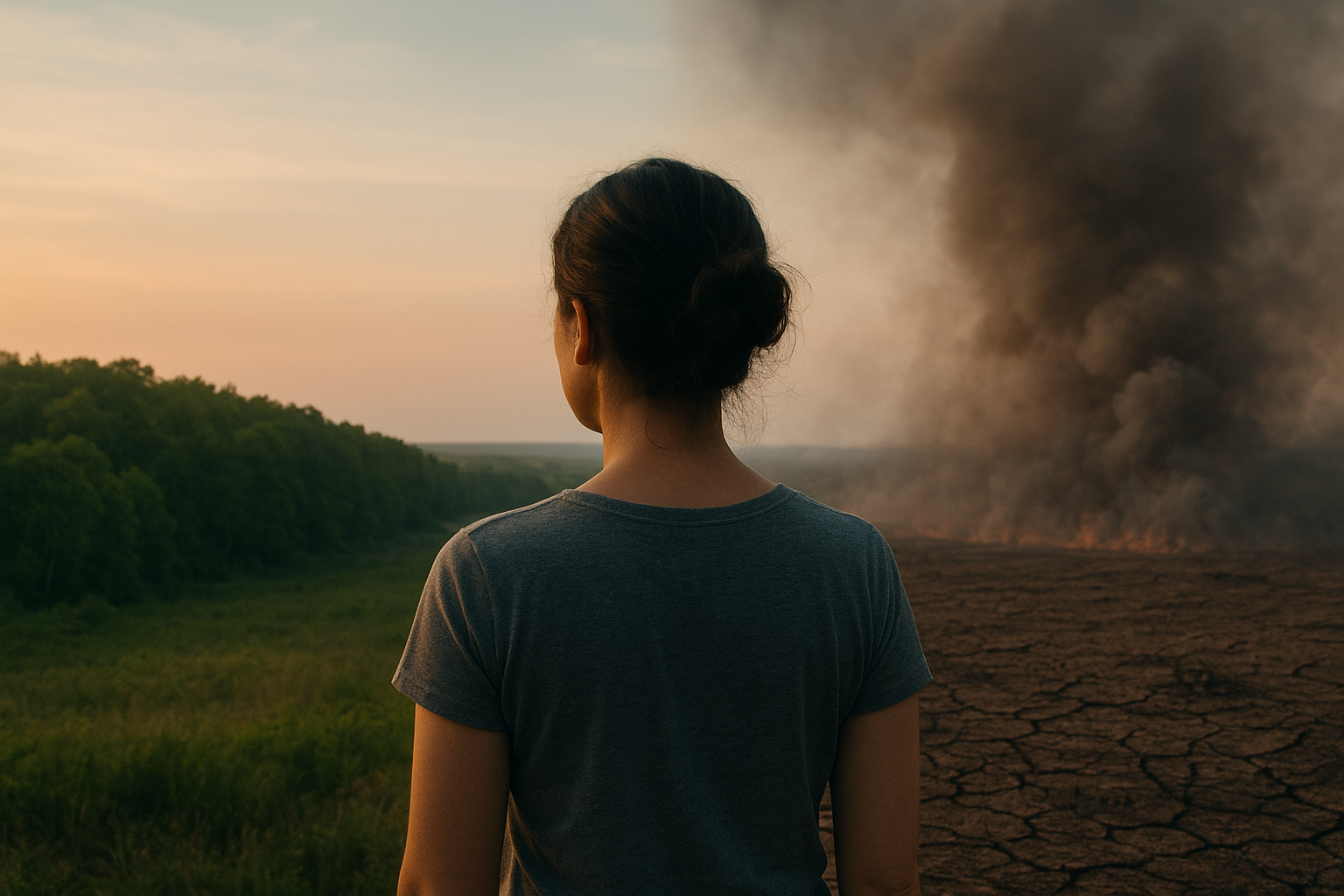
Eco anxiety refers to persistent feelings of fear, worry, or emotional distress connected to the environment and the future of our planet. While not classified as a mental disorder, it is widely recognized by psychologists as a natural response to real environmental challenges.
People of all ages can experience eco anxiety, but it is especially common among younger generations who feel uncertain about what the world will look like in the decades ahead. The emotions involved are complex, ranging from sadness to anger, guilt, frustration, and even grief.
What makes eco anxiety unique is that it is rooted in legitimate concerns. Climate change is real, and the emotional reaction many people feel is understandable. The goal is not to eliminate these feelings, but to navigate them more effectively.
Why Eco Anxiety Is Increasing
1. Constant Exposure to Alarming Climate News
Our digital world makes it easy to stay informed, but constant notifications about extreme weather, global warming, and natural disasters can trigger or intensify eco anxiety. Even when you’re not directly affected, the emotional weight of this information can build up quickly.
2. Visible Environmental Changes
Many people are witnessing environmental shifts firsthand—wildfires, hotter summers, floods, or melting ice. Seeing these changes up close can make climate concerns feel immediate and personal.
3. Feeling of Powerlessness
Climate change is a global problem, and large-scale solutions often depend on governments and corporations. This can leave individuals feeling helpless or guilty for not doing “enough,” which amplifies eco anxiety.
4. Greater Environmental Awareness
Scientific research and education have improved public understanding of the climate crisis. Increased awareness is positive—but it also means people are more emotionally affected by environmental risks.
Read next: How to fight your biggest enemy
Common Symptoms of Eco Anxiety
Eco anxiety can manifest in several emotional, cognitive, and physical ways, including:
-
Persistent worry about the planet’s future
-
Emotional fatigue after consuming climate news
-
Guilt about lifestyle choices
-
Difficulty relaxing or unwinding
-
Feeling overwhelmed or helpless
-
Sadness or grief over biodiversity loss
These symptoms vary from mild to intense, depending on the person and the level of exposure to climate-related stress.
How to Cope With Eco Anxiety
1. Focus on What You Can Control
Instead of trying to solve the entire climate crisis alone, focus on manageable actions within your reach—reducing waste, using less energy, supporting sustainable products, or participating in community initiatives. Even small steps can reduce feelings of helplessness.
2. Limit Climate News Consumption
Staying informed is important, but constant exposure to dramatic headlines can worsen eco anxiety. Set healthy limits, such as checking the news once per day or following scientific sources rather than emotional or sensational posts.
3. Spend Time in Nature
Ironically, reconnecting with nature—one of the things people fear losing—is one of the most effective ways to manage eco anxiety. Nature lowers stress, improves mood, and provides a grounding perspective.
4. Connect With Others
Joining environmental groups or simply talking to people who share your concerns can transform fear into motivation. Communities provide emotional support and help you feel part of a collective effort.
5. Seek Professional Support When Needed
Eco anxiety can feel overwhelming, and there is no shame in seeking help. Climate-aware therapists can help you process these emotions and develop coping strategies tailored to your needs.
6. Acknowledge Positive Progress
There is good news: renewable energy is growing, sustainability initiatives are expanding, and innovative climate solutions are emerging worldwide. Recognizing progress brings hope and balance.
Final Thoughts
Eco anxiety is a valid and increasingly common response to a changing planet. But while the emotions may be intense, you are not powerless. By focusing on what you can control, setting healthy boundaries with news consumption, connecting with others, and engaging with nature, you can build emotional resilience and navigate climate concerns more confidently.