Gut health has become a major wellness focus in the United States. From kombucha in grocery stores to TikTok trends about probiotics, more people are recognizing the impact of gut health on overall well-being. But what exactly does gut health mean—and how can you improve it in your everyday life?
What Is Gut Health?
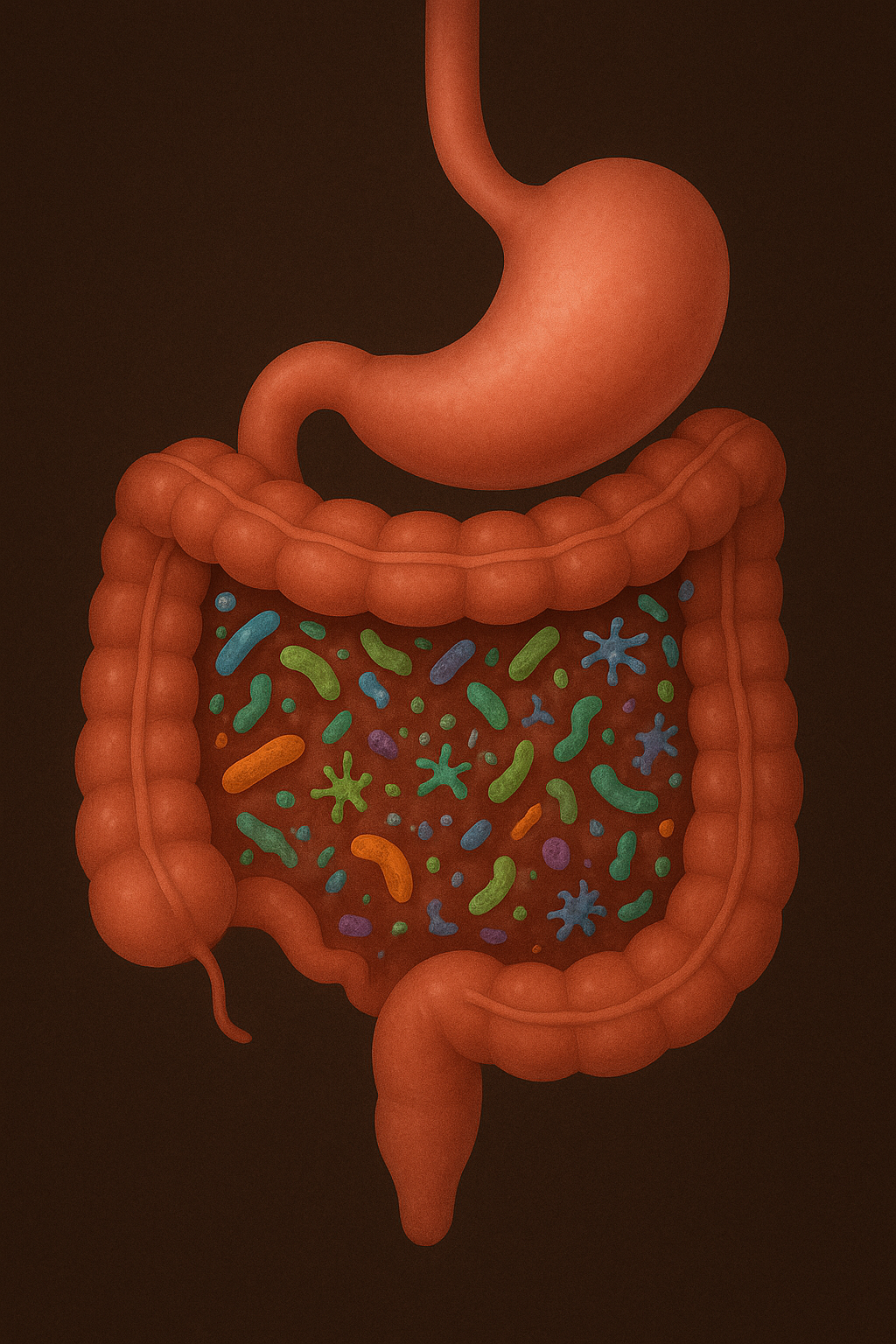
Your gut hosts trillions of beneficial bacteria that help digest food, support immunity, and even regulate your mood. When the microbiome becomes unbalanced, symptoms like bloating, fatigue, and mood swings appear.
For example, someone who relies on fast food during a busy workweek may notice digestive discomfort simply because their gut isn’t receiving enough fiber or diversity.
Why Gut Health Is a Growing Trend
1. Common Digestive Issues
People often experience bloating after eating processed meals or grabbing quick drive-through lunches during the workday.
2. The Gut–Brain Connection
Many adults feel anxious or irritable on days when their digestion is off—this is the gut-brain link in action.
3. Immune System Awareness
After the pandemic, more people began focusing on immunity, which largely depends on gut function.
4. Social Media Influence
Gut-friendly foods like kefir and sauerkraut gained popularity through wellness influencers.
Signs of Poor Gut Health
-
Feeling bloated after simple meals
-
Afternoon fatigue even after sleeping well
-
Trouble with regularity
-
Food sensitivities
-
Brain fog during work hours
How to Improve Gut Health Naturally
1. Add More Fiber
Include fruits, vegetables, beans, and whole grains.
Example: Swapping a sugary breakfast bar for oatmeal with berries improves digestion immediately.
2. Choose Fermented Foods
Yogurt, kimchi, kombucha, and kefir add beneficial bacteria.
Example: Drinking a small glass of kefir after dinner can help soothe bloating.
3. Cut Down on Processed Foods
Fast food lunches or microwave meals disrupt the microbiome.
4. Stay Hydrated
Water supports digestion.
Example: Many people mistake thirst for hunger and snack unnecessarily.
5. Reduce Stress
A stressful commute or overwhelming workload can trigger digestive problems.
Final Thoughts
Gut health influences far more than digestion. With simple daily adjustments—like adding fiber, staying hydrated, and reducing stress—you can support your microbiome and improve both physical and emotional well-being.
Read next: Free test for your temper