Inflammation is the body’s natural response to injury, infection, or stress. While short-term inflammation is beneficial, chronic inflammation can lead to serious health issues, including heart disease, diabetes, digestive disorders, and joint pain. One of the most effective ways to combat chronic inflammation is through diet.
By incorporating anti inflammatory foods into your daily meals, you can support your immune system, improve digestion, and enhance overall health. In this guide, we’ll explore the best anti-inflammatory foods, their health benefits, and practical ways to include them in your everyday life.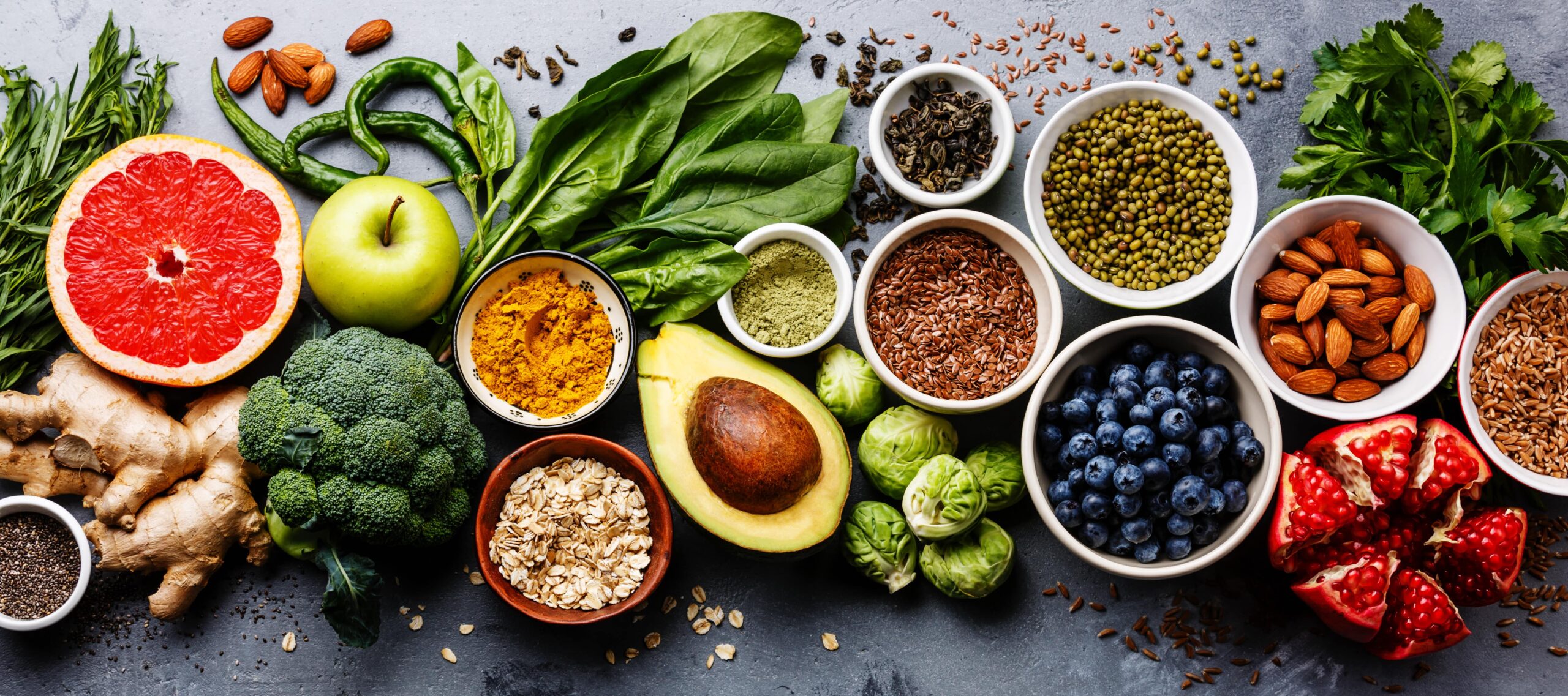
What Are Anti-Inflammatory Foods?
Anti-inflammatory foods are rich in antioxidants, vitamins, minerals, and healthy fats that help reduce the production of pro-inflammatory molecules in the body. Unlike processed foods, sugar, and trans fats—which can trigger inflammation—these foods nourish your cells, support metabolism, and promote healing.
Internal Link: Learn more about reducing inflammation in Cortisol and Belly Fat.
Top Anti-Inflammatory Foods
1. Fatty Fish
-
Examples: Salmon, mackerel, sardines, trout
-
Benefits: High in omega-3 fatty acids, which reduce inflammation and improve heart and brain health.
-
How to Eat: Grill, bake, or steam 2–3 servings per week.
2. Leafy Greens
-
Examples: Spinach, kale, Swiss chard, arugula
-
Benefits: Rich in antioxidants, vitamins A, C, K, and magnesium, which help fight oxidative stress.
-
How to Eat: Use in salads, smoothies, or sautéed as a side dish.
3. Berries
-
Examples: Blueberries, strawberries, raspberries, blackberries
-
Benefits: Contain flavonoids that reduce inflammation and protect against cellular damage.
-
How to Eat: Snack on berries, add to oatmeal, or blend into smoothies.
4. Nuts and Seeds
-
Examples: Almonds, walnuts, flaxseeds, chia seeds
-
Benefits: High in omega-3s, fiber, and antioxidants to reduce inflammation and support heart health.
-
How to Eat: Include in breakfast, salads, or as healthy snacks.
5. Olive Oil
-
Benefits: Extra virgin olive oil is rich in monounsaturated fats and polyphenols that reduce inflammation.
-
How to Eat: Use as a salad dressing, drizzle over cooked vegetables, or in low-heat cooking.
6. Turmeric
-
Benefits: Contains curcumin, a powerful anti-inflammatory compound.
-
How to Eat: Add to soups, stews, curries, or golden milk beverages.
7. Tomatoes
-
Benefits: High in vitamin C, potassium, and lycopene, an antioxidant with anti-inflammatory properties.
-
How to Eat: Include fresh, roasted, or in sauces and soups.
8. Garlic and Onions
-
Benefits: Contain sulfur compounds that help reduce inflammation and support the immune system.
-
How to Eat: Use as a base for cooking or in salads for added flavor and health benefits.
9. Green Tea
-
Benefits: Contains polyphenols and catechins that reduce inflammation and improve metabolic health.
-
How to Eat: Drink 2–3 cups daily or use matcha powder in smoothies.
10. Whole Grains
-
Examples: Oats, quinoa, brown rice, barley
-
Benefits: Rich in fiber, which supports gut health and lowers inflammation markers.
-
How to Eat: Substitute refined grains with whole grains in meals.
Benefits of Anti-Inflammatory Foods
1. Supports Heart Health
-
Reduces risk of heart disease by lowering blood pressure and cholesterol levels.
-
Omega-3s in fish and nuts help maintain healthy arteries.
2. Improves Digestive Health
-
Fiber-rich anti-inflammatory foods support gut microbiome balance.
-
Helps reduce bloating, constipation, and discomfort.
Internal Link: Learn more in Healthy Meal Planning for Over 50.
3. Boosts Immune Function
-
Antioxidants in berries, leafy greens, and nuts strengthen the immune system.
-
Reduces susceptibility to infections and chronic diseases.
4. Promotes Joint Health
-
Anti-inflammatory compounds reduce pain and stiffness associated with arthritis.
-
Incorporating turmeric, garlic, and omega-3s may help ease joint discomfort.
5. Supports Brain Health
-
Polyphenols and omega-3 fatty acids enhance cognitive function and reduce the risk of neurodegenerative diseases.
Tips to Include Anti-Inflammatory Foods in Your Daily Diet
1. Start With Breakfast
-
Add berries, nuts, and seeds to oatmeal or yogurt.
-
Drink green tea or a smoothie with leafy greens and turmeric.
2. Focus on Balanced Lunch and Dinner
-
Include fatty fish, leafy greens, and whole grains.
-
Roast vegetables with olive oil and spices for flavor and nutrients.
3. Healthy Snacks
-
Choose almonds, walnuts, or fruit instead of processed snacks.
-
Snack on carrot sticks with hummus or guacamole.
4. Spice It Up
-
Add turmeric, garlic, and ginger to soups, stews, and stir-fries.
-
Use herbs like rosemary, thyme, and oregano for additional anti-inflammatory benefits.
5. Hydration Matters
-
Drink plenty of water to support nutrient absorption and reduce inflammation.
-
Green tea and herbal teas can complement water intake.
Common Mistakes to Avoid
-
Overconsumption of Processed Foods: Refined sugars, trans fats, and packaged snacks trigger inflammation.
-
Neglecting Fiber: Insufficient fruits, vegetables, and whole grains reduce gut health benefits.
-
Skipping Healthy Fats: Avoid replacing fats with refined carbs; omega-3s are essential.
-
Ignoring Portion Sizes: Even healthy foods can contribute to weight gain if portions are excessive.
Sample Daily Anti-Inflammatory Meal Plan
| Meal | Food Ideas |
|---|---|
| Breakfast | Oatmeal with blueberries, chia seeds, and almond butter |
| Snack | Handful of walnuts and a green apple |
| Lunch | Grilled salmon with quinoa and sautéed spinach |
| Snack | Carrot sticks with hummus or green tea |
| Dinner | Stir-fry with turmeric chicken, broccoli, bell peppers, and brown rice |
| Evening | Herbal tea with a pinch of ginger or turmeric |
Combining Anti-Inflammatory Foods With Healthy Habits
-
Exercise: Regular physical activity enhances the benefits of an anti-inflammatory diet.
-
Mindful Eating: Slow, conscious eating improves digestion and nutrient absorption.
-
Stress Management: Yoga, meditation, and breathing exercises lower chronic inflammation.
-
Sleep: Adequate rest reduces pro-inflammatory markers and supports healing.
Internal Link: Combine with Mindful Eating Benefits for improved digestion and weight management.
Conclusion
Incorporating anti inflammatory foods into your daily diet is one of the most effective ways to maintain health, reduce chronic inflammation, and support long-term wellness. By focusing on nutrient-rich, whole foods such as fatty fish, leafy greens, berries, nuts, whole grains, and spices like turmeric, you can combat inflammation naturally while enjoying flavorful and satisfying meals.
Pair these foods with consistent exercise, mindful eating, stress management, and adequate sleep to maximize the benefits. Over time, these small, consistent choices will have a profound impact on your energy, digestion, immune system, and overall quality of life.